What Is Scale in Interior Design (And Why It Matters in a Luxury Home)
One of the first things I notice when I walk into a home is scale. Before the finishes, before the furniture, before anything else. I'm reading those relationships. Is the room working with itself or against itself?
Most people can't name it, but they feel it. A space that seems like it should be beautiful but falls flat. A room that feels cold despite the nice things in it. A small bedroom that feels cramped even when it's not that full. Nine times out of ten, it comes back to scale.
Scale is the size relationship between a room and everything inside it, and getting it right isn't about filling a space or emptying it. It's about making sure every piece is chosen or designed to fit the room it's in.

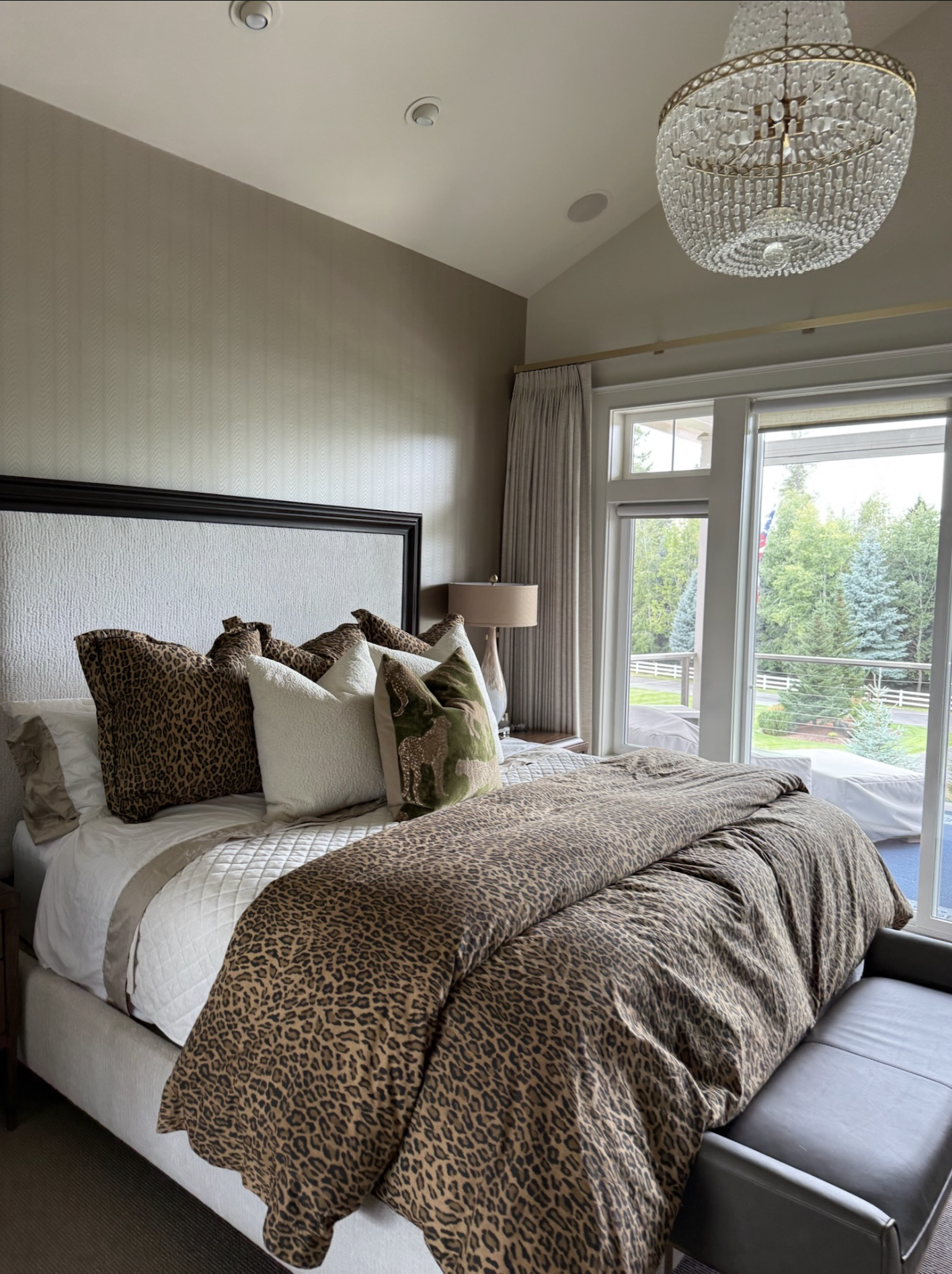
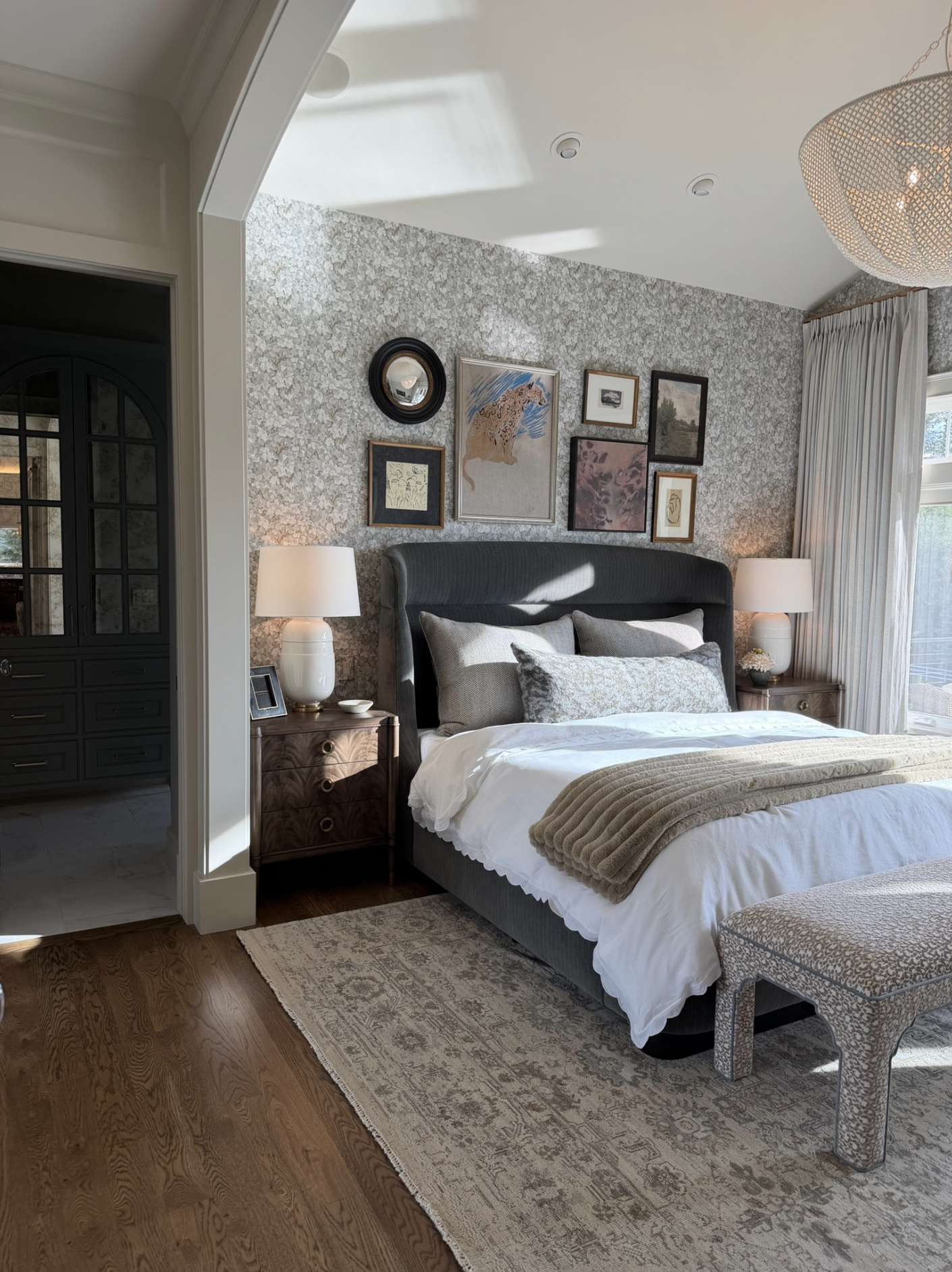
Our Hermosa Groves Project: an example of a room that has furniture “to scale.”
Scale Isn't a Taste Problem. It's a Spatial One.
This is why scale issues are so easy to miss. You can have a room full of beautiful, well-chosen things and still feel like something is off. It's not the pieces. It's the relationships between them and the room they're in.
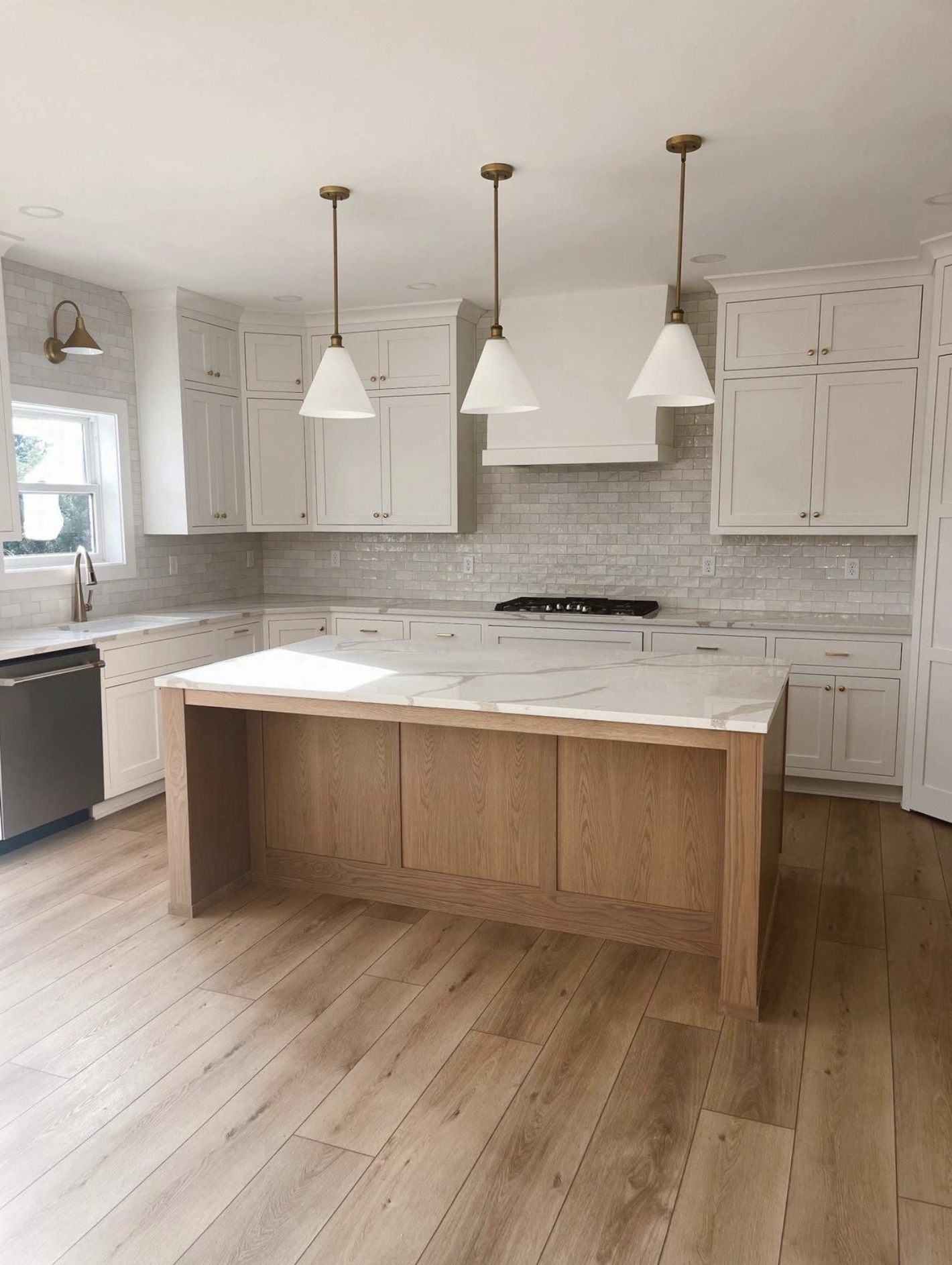
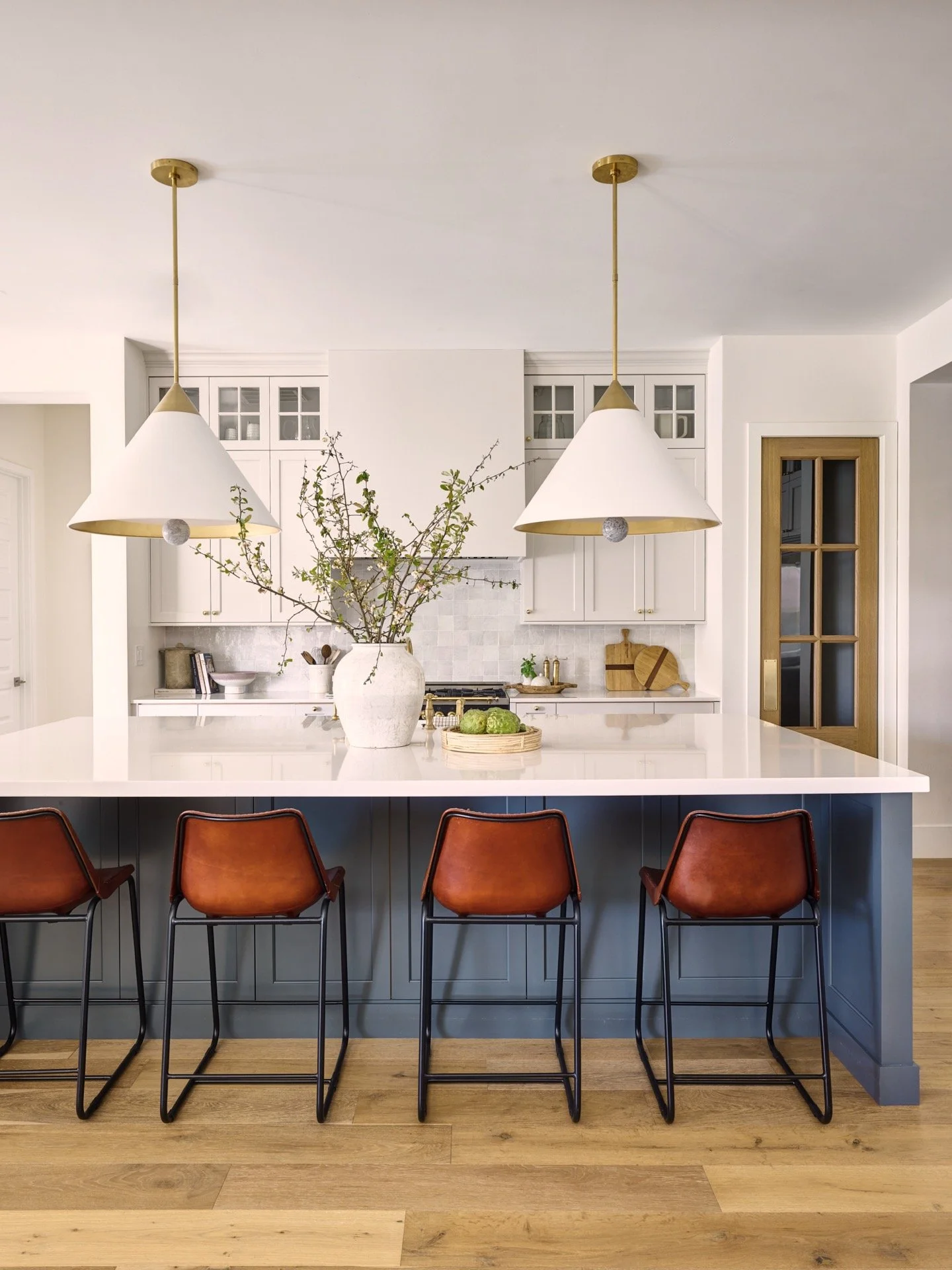
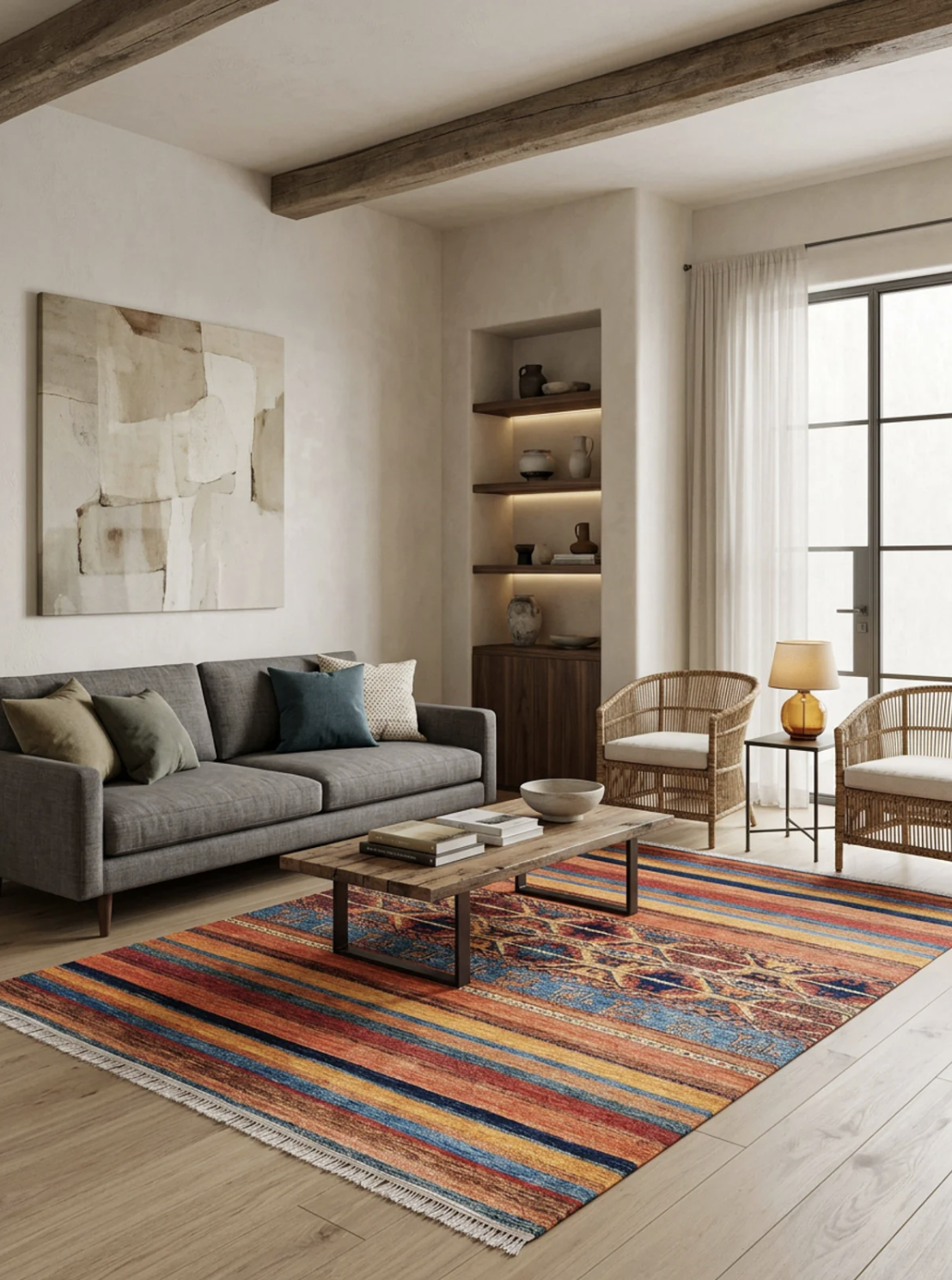
A rug that's one size too small. Art that's sized for the wall instead of the furniture it's hanging above. A fixture that gets lost in a double-height space. None of these are obvious mistakes. They don't look wrong exactly. But they keep the room from ever feeling finished.
Better Furniture Doesn't Fix It. It Just Makes the Mistake More Expensive.
This is the part I want every client building or renovating a luxury home to hear.
I've walked through homes with extraordinary budgets that felt underwhelming. The pieces were genuinely beautiful. But the relationships between them were off, and the beauty or price alone does not fix a proportion problem. You just end up with a very expensive room that doesn't land.
The difference between a home that looks expensive and one that is expensive isn't the price tags. It's whether every piece was chosen in relationship to the space it lives in. That's the work of real design. Not just selecting beautiful things, but selecting the right things at the right scale for a specific room.
This is why we default to custom rugs and furniture for every project. Standard sizing often doesn't give us what a space actually needs. A sofa that comes in three lengths isn't going to be the right answer for a room that needs something in between. When the room requires a specific scale, we design around it.
If you want to understand why custom furniture matters beyond just scale, we wrote about it here: The Importance of Custom Furniture.

When Scale Is Right, You Don't Notice It
When scale is working, the room just feels good. Nothing is competing. Nothing feels awkward. You walk in, and it just feels right, even if you can't say why.
One of the biggest misconceptions I run into is that small rooms need small furniture. The thinking makes sense on the surface. Don't crowd the space. But it actually works against you.
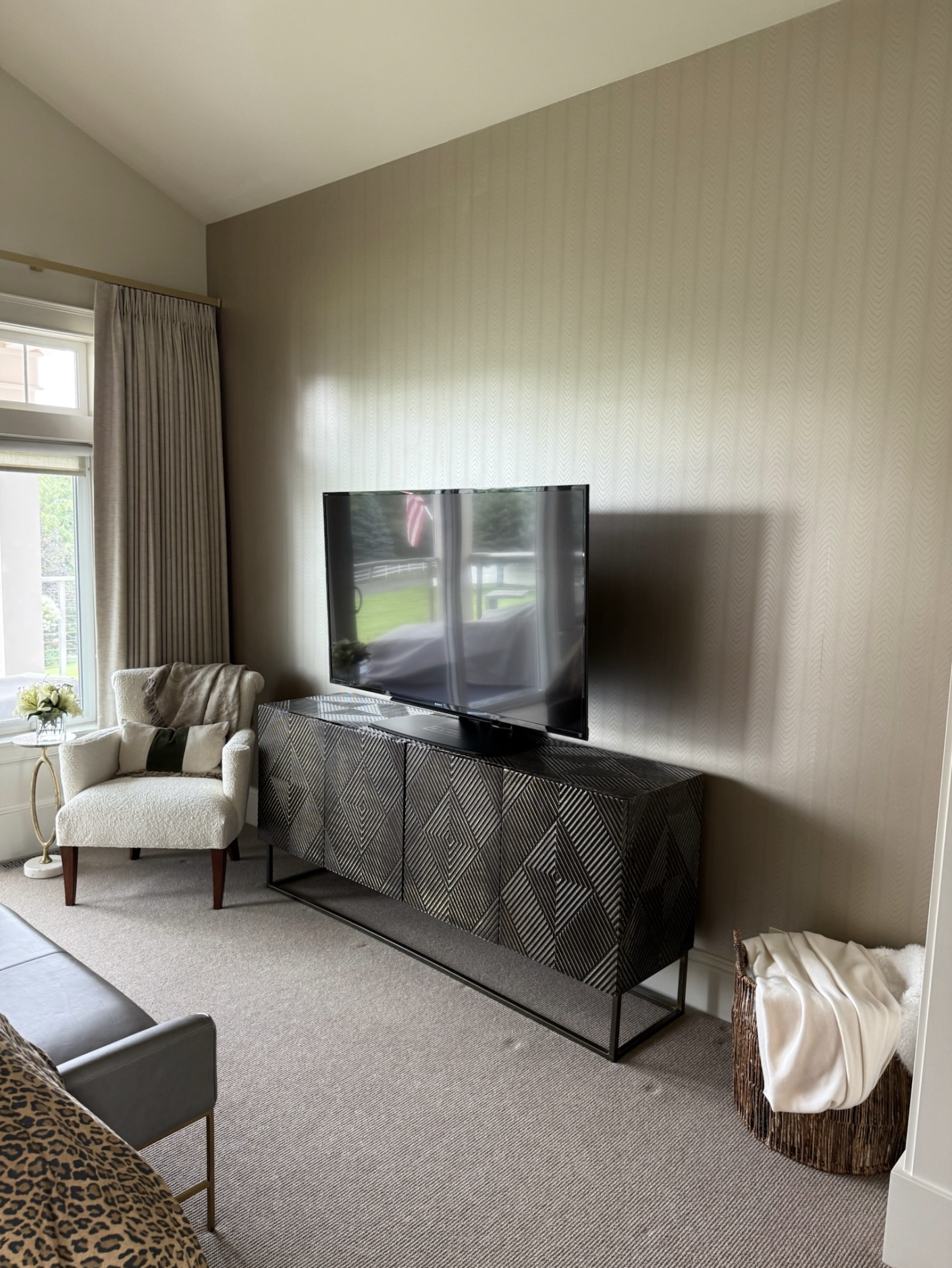
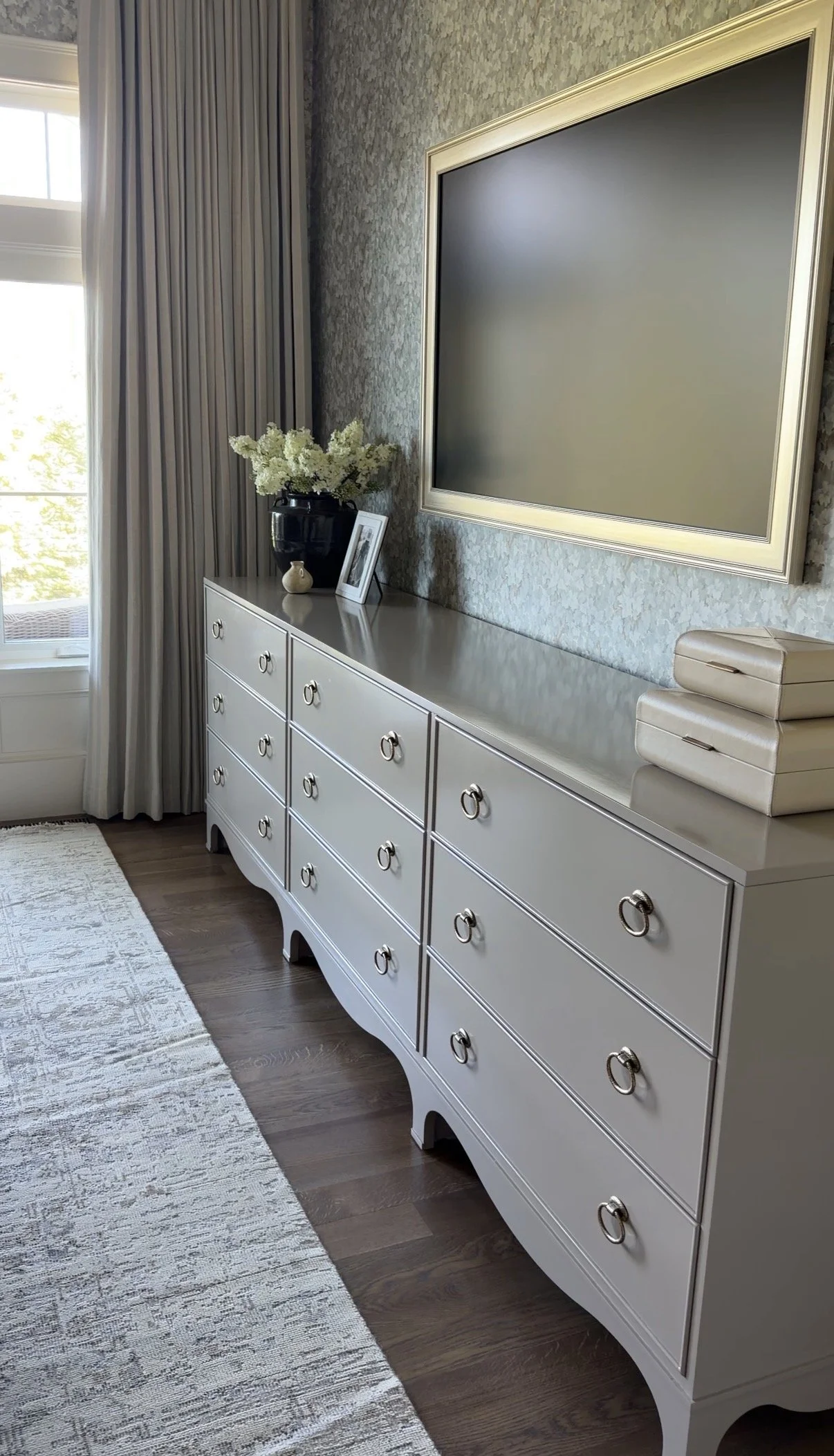
In a recent project, the primary bedroom was quite small. She had a dresser and a chair on one wall with the bed on the other, and the space felt cramped and busy. We replaced it with an oversized dresser that took up the entire wall. The room immediately felt larger. She was shocked. One piece, the right size, anchored the whole wall, and suddenly the room had clarity. That's what scale does when you get it right.
When the scale is right, the results speak for themselves.
Want the Actual Numbers?
If you want to get into the specifics (exact rug sizing, art placement heights, and our typical measurements for hanging lighting), our Sizing + Scale Guide covers all of it. And if you're about to begin a custom build or renovation and want someone to make these calls for you, we'd love to hear about your project.