The Art of Choosing Millwork
If you’re following my work, chances are you also are a lover of homes with character. In other words, a lover of adding millwork and trim details in all the right places. Over the past ten years in business, I have figured out exactly what is needed to add that cozy, soulful feeling in homes, whether I am designing a new build or remodeling.
This can be one of the most overwhelming parts for homeowners as they know what they want the space to look and feel like, but they are not sure how to get there. So I have put together this guide to choosing millwork for your home. Note that this is going to be a simplified version because I want this to feel easy to understand and execute.
So to keep things simple, here my five steps to choosing millwork for your home, like a pro.
Before step one, let’s start with the basics. What is millwork? It’s is decorative wood that adds character to a home with a purpose of adding both beauty and function. The functional aspect of millwork stems from its history of being used to hide imperfections. For example, crown molding looks beautiful at the top of your wall but it also covers any harsh lines between your wall and ceiling.
Here is what falls under the category of millwork:
Architectural Millwork (cabinetry, paneling, mantels, ceiling details)
Molding + Trim (baseboards, crown molding, casing, chair rails)
Doors + Windows (casings, transoms, etc.)
Stair Parts (balusters, railings, etc.)
1. Figure Out The Style of Your Home
Now, if you are building, you have the luxury of being able to choose this style. But if you’re remodeling (without fully gutting), it’s crucial that you figure out what style of home you have so you can choose pieces that reflect it. We want the trim, baseboards, and moldings you choose to feel natural to the architecture.


2. Find Inspiration
This step is crucial to figure out what you like. Look at other homes with similar architectural styles. This can be online, on Pinterest, in design books, or even in hotels or restaurants. This is so important because it allows you to see what you love and more importantly, what you don’t. Even if picturing it in your space feels hard, having a list of wants helps your designer and/or contractor help you execute your ideas.
3. Gather Options to Compare
Once you have inspiration, start looking at actual options. This might mean visiting a showroom, flipping through samples, or reviewing a few trusted options your designer or contractor recommends.
Seeing trim profiles, finishes, and materials in person makes a big difference. Scale, depth, and texture are hard to understand online, and what looks good on a screen doesn’t always translate well in real life. Comparing a few options side by side helps you quickly narrow in on what feels right for your home and avoid choices that feel too busy, too plain, or out of proportion.
The goal isn’t to see everything, it’s to confidently choose between a few well-suited options.
4. Think About Transitions
Instead of designing each room on its own, step back and look at how spaces connect. Walk through your home and pay attention to what you see as you move from one room to the next. Those sight lines play a big role in how cohesive a home feels.
In open or connected spaces, architectural details can help define areas without closing them off. In more traditional layouts, consistent trim details help rooms feel connected rather than disjointed.
The goal is not for every space to look the same, but for transitions to feel natural and intentional.
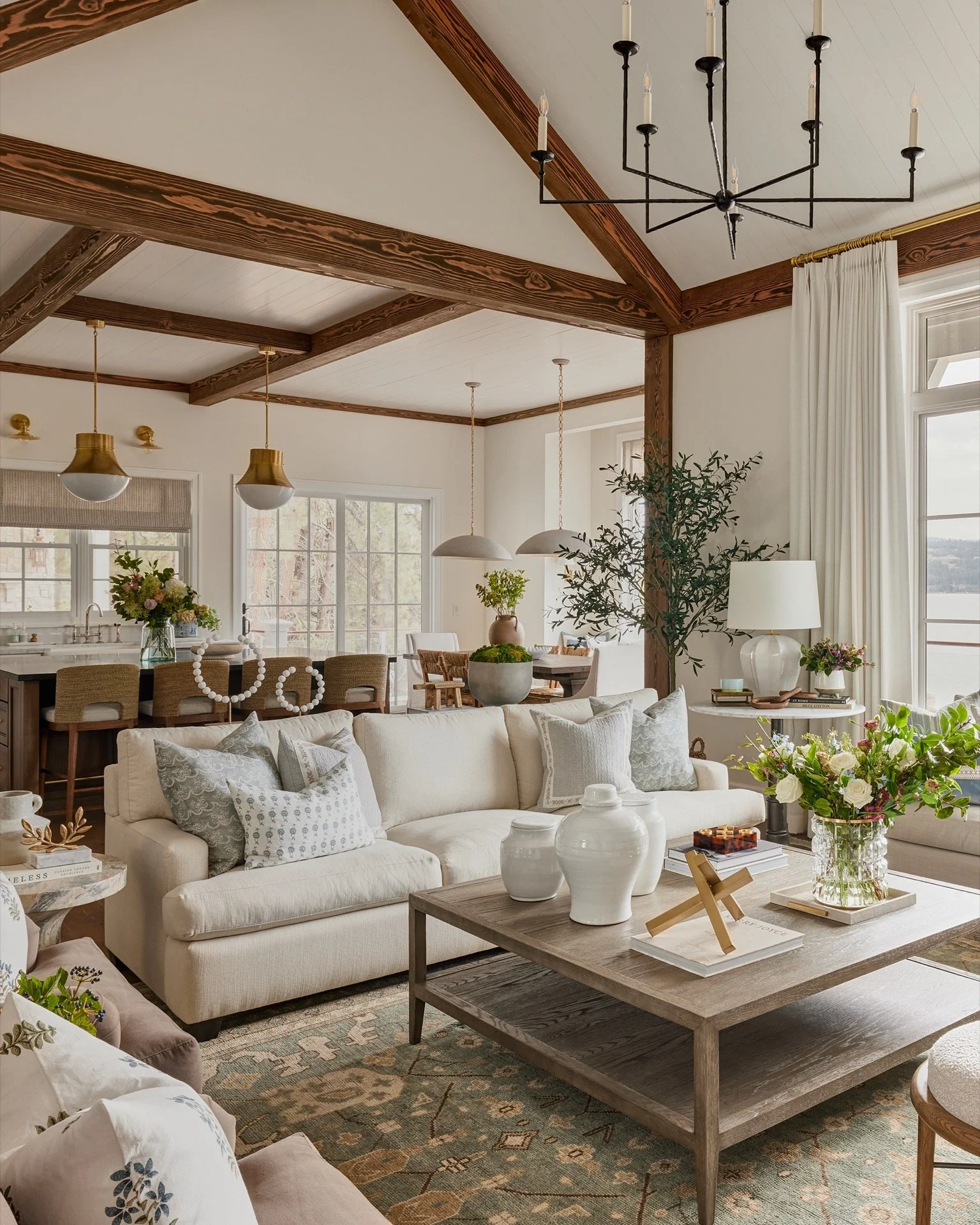
Open floor plans: Use elements like beams to visually separate spaces while keeping an open feel. In our Flagstaff Ranch Project, a ceiling beam was used instead of a soffit to break up a large great room.
Connected spaces: Repeating details like vertical paneling help unify the space, as seen in our Coeur d’Alene Lake House in the entry and laundry room.


5. Define Separate Rooms
Whenever a new room has a door, it’s an opportunity to treat it as its own space. This is where introducing a unique trim detail or millwork can add character while still feeling intentional. The key is commitment. Once a detail is introduced, it should be carried throughout the entire room so it feels designed, not accidental.
Details like full wainscoting or wall paneling can create a finished, elevated look without the cost of taking trim all the way to the ceiling. Proportion still matters, baseboards and trim should always feel appropriate for the room’s scale and ceiling height.
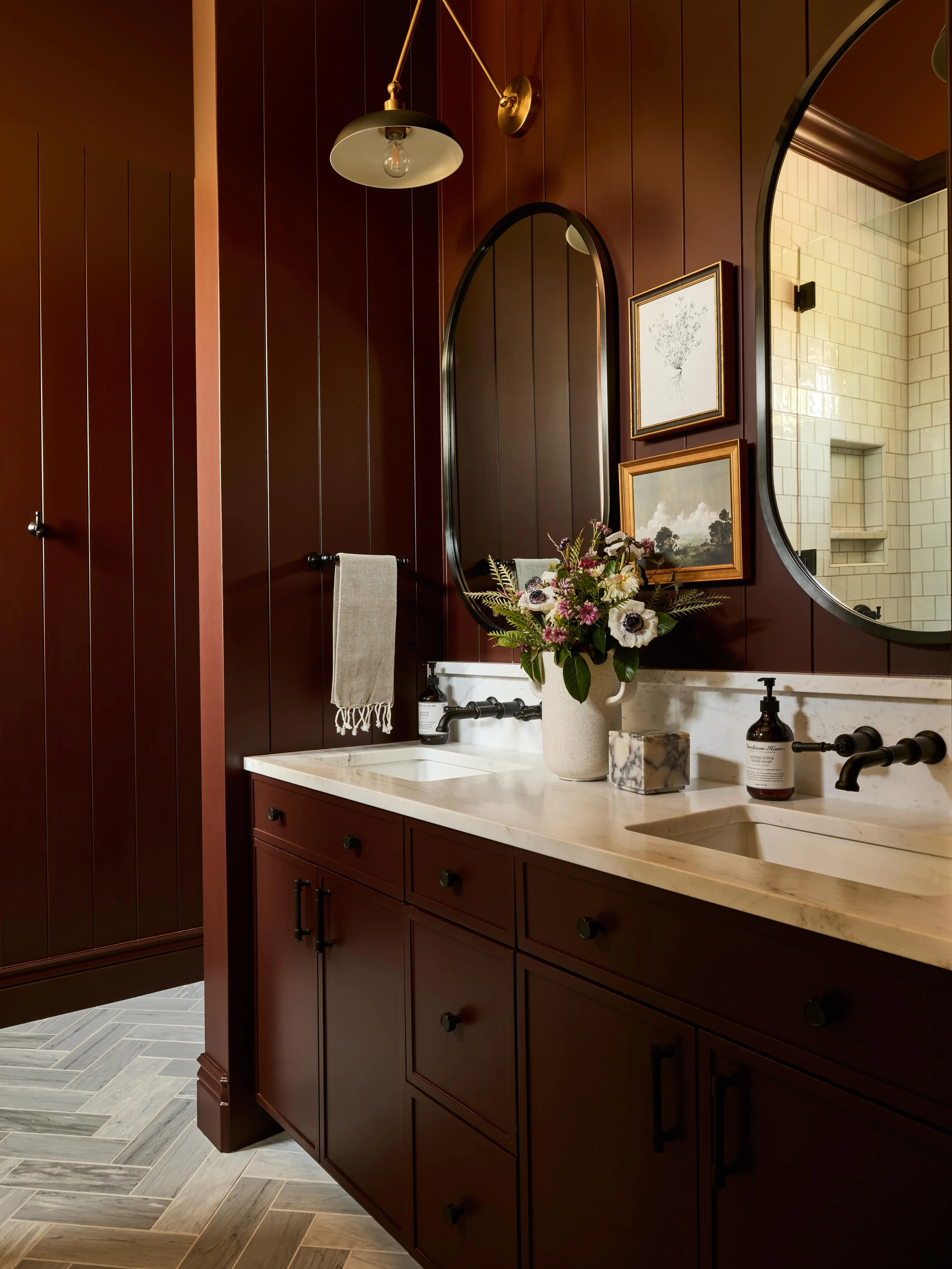
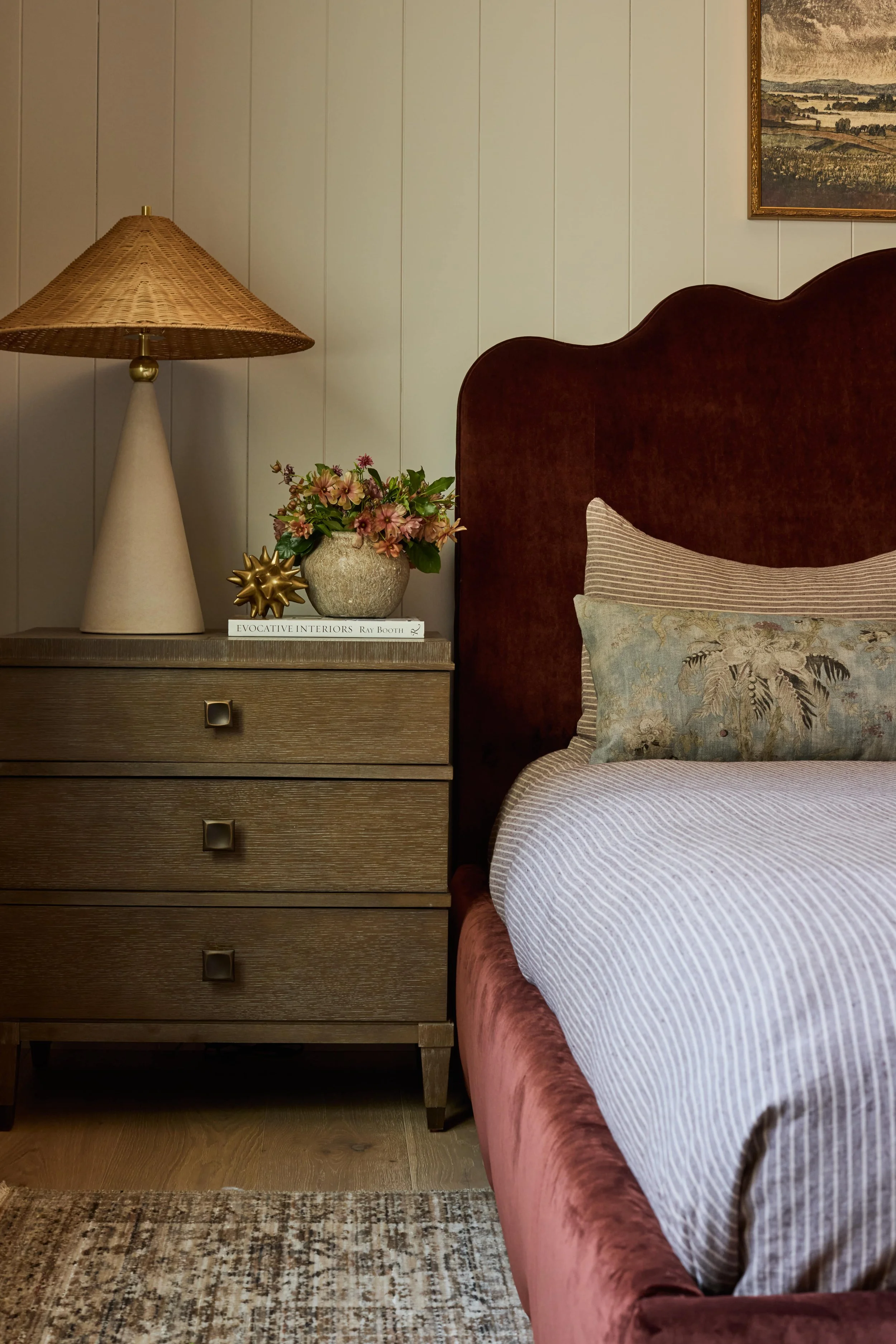
A great example of this is of the guest suite below where we used vertical paneling in both the bedroom and bathroom. While the rest of the home doesn’t have this detail, it works beautifully in the suite because it’s separated by doors. This gives the space its own identity while still feeling intentional and cohesive within the larger home.
Final Tips for Cohesion
Keep baseboards consistent in height throughout most of the home, adjusting only when ceiling height requires proportion.
Think of each room as part of a whole, details should relate to one another, even when unique to each space.
When in doubt, subtlety and proportion are your friends. A well-chosen detail enhances the architecture rather than competing with it.
If you’re looking for extra help on adding architectural details to your home, we are here to help. Click here to inquire about your project.